

When it comes to maintaining a home, gutters might not be the first thing that come to mind. However, these seemingly simple structures play a critical role in protecting your house from water damage. One of the most common and costly issues that can arise from faulty gutters is basement flooding. The connection between gutters and basement flooding is not always obvious, but understanding it can save a homeowner a lot of headache and expense.
How Gutters Function
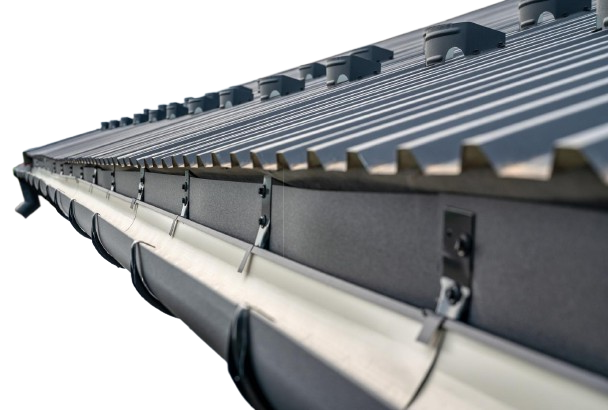
Gutters are designed to collect rainwater from the roof and direct it away from the foundation of your home. They work in tandem with downspouts, which channel the water further away, reducing the risk of water pooling around your foundation. This system, when functioning correctly, helps to prevent a variety of water-related issues, including basement flooding.
The Problem with Clogged Gutters
Clogged gutters are a common problem that can lead to basement flooding. Leaves, twigs, and other debris can accumulate in gutters over time, blocking the flow of water. When water cannot be properly diverted away from the house, it often spills over the sides of the gutters and collects around the foundation.
This pooling water can seep into the basement through cracks in the foundation or through windows. In heavy rains, the pressure from the water can even create new cracks or widen existing ones, leading to significant flooding issues.
Improper Gutter Installation
Sometimes, the issue isn't maintenance, but installation. Gutters that are not installed with the correct slope can cause water to pool rather than flow towards the downspouts. Additionally, gutters that are too short or end too close to the house can also be problematic, as they may not channel water far enough away from the foundation to prevent flooding.
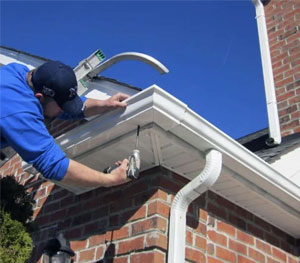
Ensuring that your gutters are installed correctly is crucial. If you're unsure, it might be worthwhile to have a professional inspect them. They can identify any potential issues and suggest solutions, which often involves adjusting the slope of the gutters or extending the downspouts.
The Role of Downspouts
Downspouts are just as important as gutters in preventing basement flooding. Even if your gutters are functioning properly, inadequate downspouts can cause issues. Downspouts should extend several feet away from the foundation. If they don't, the water can still pool near the base of your home.
- Consider adding extensions to your downspouts if they are too short.
- Ensure that the downspouts are not damaged or blocked.
- Position the outlets of the downspouts to direct water towards a lower ground level, away from the foundation.
Regular Maintenance is Key
Like many aspects of homeownership, regular maintenance is key to preventing problems. Cleaning your gutters regularly can help prevent clogs and ensure that water flows freely. For most homes, this means cleaning the gutters at least twice a year, typically in the spring and fall. However, if you have a lot of trees around your home, you may need to clean them more frequently.
In addition to cleaning, it's essential to check for any damage. Look for signs of rust, holes, or any sections that are pulling away from the house. Repairing any damage promptly can prevent more significant issues down the road.
Installing Gutter Guards
For those looking to reduce the frequency of gutter cleaning, installing gutter guards can be a worthwhile investment. Gutter guards are designed to keep debris out of the gutters while still allowing water to flow through. While they are not foolproof, they can significantly reduce the amount of debris that enters your gutters, making maintenance easier and less frequent.
There are several types of gutter guards available, including mesh screens, reverse curves, and bottle brush types. Each has its advantages and disadvantages, so it's important to research and choose the one that best suits your home's needs.
Signs of Potential Basement Flooding
Being proactive about gutter maintenance is crucial, but it's also important to be aware of the signs that your basement may be at risk of flooding. Early detection can help you address problems before they become severe.
- Water stains on basement walls or floors
- A musty odor in the basement
- Cracks in the foundation
- Visible mold or mildew
- Water pooling near the foundation of your home
If you notice any of these signs, it might be time to take a closer look at your gutters and downspouts, as well as your basement's waterproofing measures.
The link between gutters and basement flooding is clear, but with regular maintenance and a bit of attention, you can significantly reduce the risk. Keeping your gutters clean and ensuring that your downspouts are functioning correctly are simple steps that can protect your home from costly water damage. It might seem like a small task, but it can make a big difference.