

Gutters are the unsung heroes of our homes, guiding rainwater away from the structure and protecting it from potential water damage. But what happens when these vital components of the home start acting up, frequently clogging and causing more trouble than they're worth? Addressing clogged gutters is crucial, not just for convenience but for the longevity of your home.
Understanding Why Gutters Clog
Before diving into solutions, it's essential to understand why gutters clog in the first place. Various factors contribute to this common issue, and knowing them can help in both prevention and resolution.
- Leaves and Debris: One of the most common culprits is fallen leaves, especially during the autumn season. Twigs, dirt, and other debris can also accumulate, creating a dense blockage.
- Nesting Animals: Birds, rodents, and insects might find gutters a cozy spot to build their homes, leading to obstructions.
- Shingle Granules: Over time, the granules from asphalt shingles can wash into the gutters, particularly after heavy storms, adding to the clog.
- Improper Slope: If the gutter system isn’t sloped correctly, water won’t flow efficiently, leading to stagnant water and eventual clogs.
- Ice Dams: In colder climates, ice can build up, creating blockages that restrict water flow.
Routine Maintenance is Key
Regular maintenance is the most effective way to ensure your gutters remain clog-free. Here's what you can do:
- Scheduled Cleanings: Establish a routine cleaning schedule. Depending on your locality, cleaning twice a year might suffice, but if you have overhanging trees, you might need to clean them more frequently.
- Inspect After Storms: After a significant storm, take a moment to inspect your gutters. Look for signs of blockage or damage.
- Trim Nearby Trees: Regularly trim trees and branches that hang over your roof to minimize the amount of debris falling into the gutters.
Invest in Quality Gutter Guards
Gutter guards can be a game-changer for those tired of frequent clogs. While they require an upfront investment, the long-term benefits often outweigh the cost.
- Mesh Screens: These are installed over the gutters to block debris while allowing water to filter through.
- Reverse Curve Guards: Designed to direct water into the gutter while keeping debris out. However, they may require professional installation.
- Foam Inserts: Simple to install, these fit inside the gutter to block debris but can be less effective in heavy downpours.
Check the Downspouts
Gutters are only part of the equation; downspouts are equally crucial in the drainage system. If they’re clogged, water will back up and overflow the gutters.
- Regular Flushing: Use a hose to flush out the downspouts regularly, ensuring there’s no blockage.
- Install Downspout Strainers: These can prevent leaves and debris from entering and clogging the downspouts.
- Ensure Proper Discharge: The downspout should discharge water at least 4-6 feet away from the house foundation. Extensions can help if the current setup isn’t adequate.
Consider Professional Help
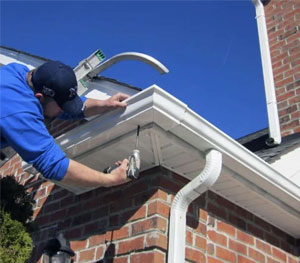
If your gutters are persistently clogging despite your best efforts, it might be time to call in the professionals. They can offer insights that might not be obvious to the untrained eye and can recommend solutions tailored to your specific situation.
- Professional Cleaning: Experts have the tools and experience to thoroughly clean and inspect your gutters.
- System Assessment: A professional can evaluate whether your gutter system is adequate for your roof size and slope, recommending adjustments if necessary.
- Installation of Advanced Systems: If needed, professionals can install more advanced gutter systems or guards that might not be feasible for DIY installation.
Replacing Old or Damaged Gutters
Sometimes, the problem isn’t what’s inside the gutters but the gutters themselves. If your gutters are old, damaged, or not of the right material or size for your home, they may be more prone to clogging.
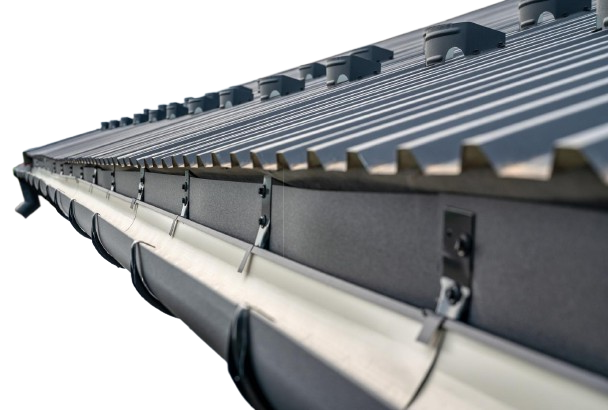
- Material Matters: Aluminum and vinyl are popular choices, but consider copper or steel if you’re looking for durability.
- Proper Sizing: Ensure your gutters are appropriately sized for your home’s roof area and the typical rainfall in your region.
- Seamless Options: Seamless gutters reduce the risk of leaks and are less likely to clog compared to sectional gutters.
Tackling frequent gutter clogs can be a bit of a chore, but it’s a necessary one for maintaining the health and safety of your home. With a mix of regular maintenance, preventive measures, and sometimes professional intervention, you can keep those gutters flowing freely, come rain or shine.