

Understanding the Unique Challenges of Historic Homes
Installing gutters on a historic home can feel a bit like walking a tightrope. On one hand, you want to preserve the charm and character that make the house special. On the other, you need to ensure it’s protected from water damage. Historic homes come with their own set of quirks and challenges, and gutters play a crucial role in safeguarding them. Let’s explore what you need to know to make this process smooth and successful.
Why Gutters Matter on Historic Homes
Gutters might seem like a small detail, but they’re vital for protecting your home from water damage. Without them, rainwater can wreak havoc on foundations, walls, and landscaping. This is especially true for historic homes, which may not have the modern waterproofing systems in place. Proper gutter installation ensures that water is directed away from the house, preserving its structural integrity and aesthetic appeal.
Considerations Before Installing Gutters
Preservation of Character
One of the primary concerns when working with historic homes is maintaining their original character. The design of your gutters should complement the architectural style rather than detract from it. For instance, a Victorian-style home might require more ornate gutter designs, while a mid-century modern house may benefit from sleek, unobtrusive lines.
Material Selection
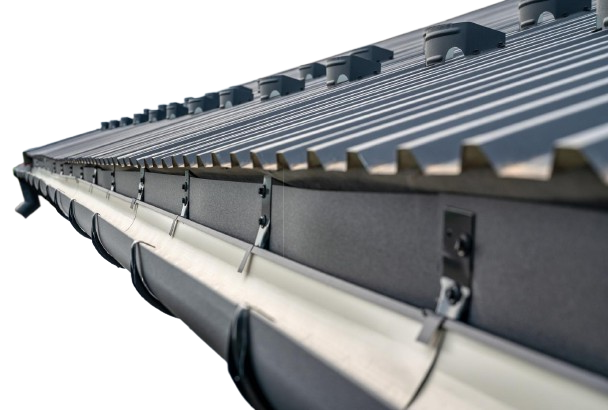
Material choice is crucial in preserving the historic look. Copper and zinc are popular choices for historic homes because they develop a natural patina over time, blending well with older structures. However, aluminum can also be used, especially if it’s painted to match the existing trim. The key is to choose a material that aligns with the period of the home.
Local Regulations and Guidelines
Many historic homes are subject to local preservation guidelines or even national regulations. Before starting any work, it’s essential to check with local preservation societies or boards. They can provide guidelines on what’s permissible, ensuring that your installation doesn’t run afoul of any rules and that the historic character of your home is protected.
Steps for Installing Gutters on a Historic Home
Assessment and Planning
Start by assessing the current state of the home and any existing gutter systems. Look for areas where water runoff is causing damage. This initial assessment will guide your planning and help prioritize areas of concern.
Choosing the Right Contractor
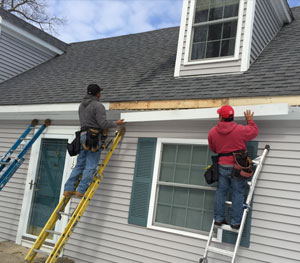
Hiring a contractor with experience in historic homes is vital. They’ll understand the nuances and challenges involved and can offer insights on the best practices for your specific situation. Ask potential contractors about their experience with similar projects and for references from past clients.
Design and Installation
- Design: Work closely with your contractor to design a gutter system that blends with your home’s architecture. This might involve custom fittings or detailing to match existing trim or rooflines.
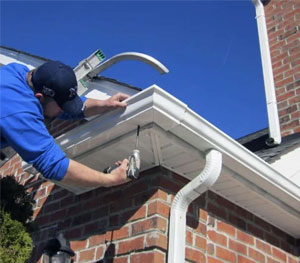
- Installation: The installation process should be meticulous, ensuring that all components are securely attached without damaging the existing structure. This might involve using specialized mounting techniques that preserve the original materials.
Ensuring Proper Drainage
Once installed, it’s crucial to ensure that the gutters direct water away from the foundation effectively. This might involve installing additional drainage solutions, such as French drains or extended downspouts, particularly if the home is situated on a slope or has poor natural drainage.
Maintaining Your Gutters
Maintenance is key to ensuring that your gutters continue to protect your historic home. Regular cleaning, at least twice a year, will prevent buildup of debris that can lead to clogs and overflows. Inspect the system periodically for any signs of wear or damage, and address issues promptly to avoid costly repairs.
Common Mistakes to Avoid
- Ignoring Historic Guidelines: Overlooking local regulations can lead to fines or the need to redo work. Always check with local authorities before starting.
- Compromising on Materials: Using modern materials that don’t match the home’s character can detract from its historic appeal.
- Skipping Regular Maintenance: Even the best-installed gutters can fail if not properly maintained. Make a habit of regular inspections and cleanings.
Living in a historic home is a wonderful opportunity to connect with the past. While installing gutters might seem like a mundane task, it’s a crucial part of preserving that history and ensuring the home remains a beautiful, functional piece of the present. Each decision, from choosing materials to selecting a contractor, contributes to maintaining the charm and character that make historic homes so special. With careful planning and attention to detail, you can protect your home while honoring its storied past.