

When it comes to maintaining a home, gutters often get overlooked. Yet, they play a crucial role in protecting your property from water damage. Especially in older homes, gutter systems can be a bit quirky. Maybe they were designed in a different era, or perhaps they've seen better days. Whatever the case, improving water flow in these older gutter systems is essential to keep your home safe and sound.
Understanding the Quirks of Older Gutter Systems
Older gutter systems can come with a unique set of challenges. First, their design might not match current standards. They might be narrower, or the materials used may have aged in ways that affect performance. It's also possible that they've been patched up over the years, leading to a mix of materials and styles that don't always work well together.
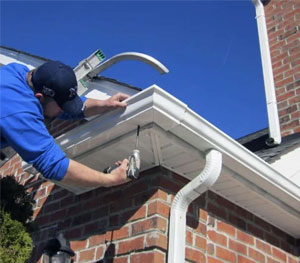
Recognizing these quirks is the first step in improving water flow. Take a walk around your house and inspect the gutters. Look for signs of wear, rust, or sagging sections. These can all contribute to water flow issues. And don’t forget to check the downspouts, as they’re an integral part of the system.
Regular Cleaning: The Simplest Solution
One of the most effective ways to improve water flow is also one of the simplest: regular cleaning. Leaves, twigs, and other debris can clog gutters, causing water to back up and overflow. In older systems, where gutters might already be narrower, this becomes an even bigger issue.
Schedule regular cleaning sessions, especially during fall when leaves are abundant. You can do this yourself with a sturdy ladder, gloves, and a garden trowel to scoop out debris. Alternatively, hire a professional service to ensure thorough cleaning.
Inspect for Leaks and Repair Them
Leaks are a common problem in older gutters. They can develop at seams, joints, or anywhere the material has weakened over time. During your inspection, look for any signs of water dripping or stains on the siding.
To repair leaks, you might need to reseal joints using a high-quality silicone sealant. For larger holes, gutter repair tape or patches can be effective. These solutions can extend the life of your gutters without the need for a complete replacement.
Ensure Proper Slope
Gutters need to be installed with a slight slope to ensure water flows towards the downspouts. In older systems, this slope might have shifted over time due to settling or other factors. This can lead to water pooling in sections of the gutter.
To check the slope, use a level on the top edge of the gutter. Ideally, there should be a slope of about 1/4 inch for every 10 feet of gutter. If adjustments are needed, you might have to detach the gutter hangers and reattach them at the correct angle.
Upgrade Downspouts if Necessary
In some cases, the downspouts in older systems might be too small to handle heavy rainfall. If water is frequently spilling over the sides of your gutters, it might be worth upgrading to larger downspouts.
Consider installing downspouts with a larger diameter to improve water flow. Additionally, ensure that the downspouts are free from obstructions and are directing water away from the foundation of your home.
Consider Gutter Guards
To prevent debris from clogging your gutters, consider installing gutter guards. These devices sit over the top of your gutters and allow water to pass through while keeping leaves and other debris out.
There are several types of gutter guards available, from mesh screens to reverse curve systems. Choose one that fits your budget and the specific needs of your home. Installing gutter guards can significantly reduce the frequency of cleaning and help maintain consistent water flow.
Material Matters: Consider Upgrading
Older gutter systems might be made from materials that have degraded over time. Metal gutters, for example, can rust and develop holes, while vinyl might become brittle and crack.
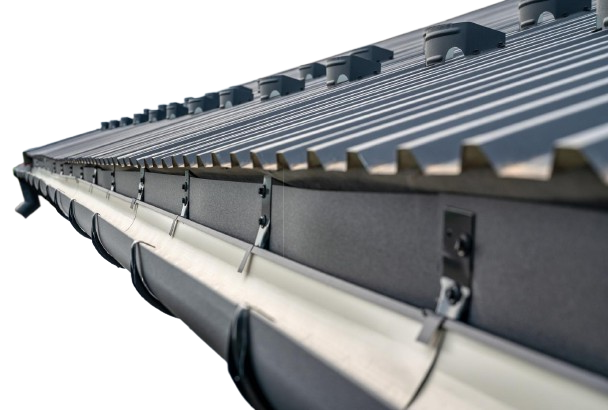
If your gutters are beyond repair, it might be time to consider upgrading to a more durable material. Aluminum is a popular choice due to its resistance to rust and its lightweight nature. Copper gutters, while more expensive, offer unmatched durability and an attractive appearance.
Professional Assessment and Maintenance
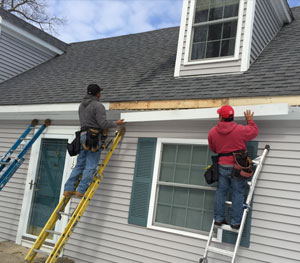
Sometimes, the best way to improve water flow in older gutter systems is to bring in the professionals. A gutter specialist can assess the condition of your gutters and recommend the best course of action. They can also provide regular maintenance services to ensure your gutters are functioning at their best.
Professional services might include more advanced repairs or even a complete system replacement if necessary. While this might involve a higher upfront cost, it can save you money in the long run by preventing water damage to your home.
Improving water flow in older gutter systems isn't just about making one change. It's about understanding the unique challenges of your system and taking a holistic approach to maintenance and upgrades. By staying proactive, you can ensure your gutters continue to protect your home for many more years to come.