

Understanding the Basics of Gutter Systems
Gutter systems might not be the most glamorous part of a home, but they play a critical role in protecting it from water damage. By channeling rainwater away from the foundation, gutters help maintain the structural integrity of a building. If you’re considering installing or upgrading your gutters, it’s worth taking a closer look at the different styles available. Each type offers its unique advantages and might be better suited for certain types of homes or climates.
K-Style Gutters: A Popular Choice
K-style gutters are perhaps the most common type found in homes today. Their design, resembling the letter ‘K’ when viewed from the side, allows them to hold more water than a half-round gutter of the same width. This makes them particularly effective in areas with heavy rainfall.
One of the appealing aspects of K-style gutters is their aesthetic versatility. They can blend well with both traditional and modern home designs, thanks to their decorative front that mimics crown molding. If you’re after a clean, polished look, K-style might just be your best bet.
Installation-wise, these gutters are relatively straightforward, which can keep labor costs down. However, because they have a flat back, they need to be installed against a flat fascia board. If your home doesn’t have this, you might need additional modifications.
Half-Round Gutters: Classic Elegance
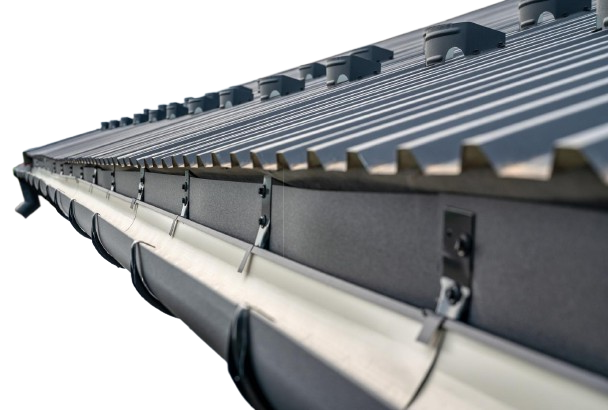
Half-round gutters, as the name suggests, are shaped like a half-circle. They offer a more traditional look and are often found on older, historic homes. The smooth, curved design not only adds a touch of elegance but also makes them easier to clean. Debris tends to flow through more freely compared to the angular corners of K-style gutters.
They’re typically made from copper, aluminum, or galvanized steel, providing a range of options depending on the aesthetic and budget. Copper, for instance, develops a beautiful patina over time, adding character and charm to a home’s exterior.
While they are generally more expensive and can be more difficult to install due to their shape, the visual appeal and ease of maintenance can make the investment worthwhile, especially for those restoring older properties.
Box Gutters: Hidden Strength
If you’re aiming for a seamless look where the gutter system is less visible, box gutters might be the way to go. Common in commercial buildings and some residential properties, they are integrated into the roof structure itself, making them nearly invisible from the ground.
Box gutters are particularly robust and can handle a large volume of water, which is ideal for areas with torrential rain. However, their integration into the roof means they are more complex to install and repair, often requiring the expertise of a professional.
They are typically constructed from durable materials like steel or aluminum, ensuring longevity. However, regular maintenance is crucial to prevent blockages, which could lead to water damage over time.
Fascia Gutters: Sleek and Streamlined
Fascia gutters are similar to box gutters in that they offer a sleek look, but they are attached directly to the fascia board. This style can be particularly appealing for minimalist home designs where clean lines are a priority.
These gutters are custom-built to fit the specific dimensions of your roof, which can enhance their effectiveness and aesthetic appeal. The downside is that they can be more expensive than standard options due to the customization required.
Installation is generally more complex, and it’s crucial to ensure that they are properly secured to prevent sagging. Regular maintenance, such as clearing out debris and checking for leaks, is essential to keep them functioning at their best.
European Style Gutters: Old World Charm
Bringing a touch of the Old World to modern homes, European style gutters are often made from materials like copper or zinc. They feature a bead on the outside edge, adding both strength and an ornamental touch.
These gutters are particularly durable and can withstand harsh weather conditions. Over time, materials like copper develop a patina that many find appealing, adding unique character to a home’s exterior.
While they might be on the pricier side and require professional installation, their longevity and aesthetic appeal can make them a worthwhile investment for those looking to add a distinctive touch to their property.
Choosing the Right Gutter System for Your Home
Deciding on the right gutter system involves considering several factors, such as your home’s architectural style, the typical weather conditions in your area, and your budget. It’s also important to think about the level of maintenance you’re willing to commit to.
- Climate: If you live in an area with heavy rainfall, it’s crucial to choose a style that can handle large volumes of water, like K-style or box gutters.
- Aesthetic: For those who prioritize aesthetics, half-round or European style gutters can add elegance and charm to your home’s exterior.
- Maintenance: Consider how much maintenance you’re willing to perform. Half-round gutters, for example, are easier to clean.
- Budget: Custom options like fascia gutters might be more expensive but could provide a perfect fit and look for your home.
Ultimately, the best gutter system for your home is one that balances functionality with aesthetic appeal and fits within your budget. Consulting with a professional can provide additional insights and ensure that whichever system you choose is installed correctly and effectively protects your home.