

Understanding Gutter Ice Dams
If you live in a colder climate, dealing with ice can become a part of your winter routine, especially when it comes to your home's gutters. But what exactly are ice dams, and why do they form in your gutters? In simple terms, an ice dam is a ridge of ice that forms along the edge of your roof, preventing melting snow from draining off your roof.
This trapped water can cause a variety of issues, ranging from leaking into your home to damaging your gutters and roof. So, it’s not just about aesthetics or minor inconveniences. Addressing these icy formations is crucial for maintaining the integrity of your home during the colder months.
Causes of Gutter Ice Dams
Ice dams form when the heat from your home causes the snow on your roof to melt. This water then flows down the roof until it reaches the colder edges, where it refreezes. Over time, this process creates a dam that backs up water.
Several factors can contribute to the formation of ice dams, including:
- Poor Insulation: If your attic isn’t well-insulated, heat escapes, warming the roof and melting the snow.
- Ventilation Issues: Without proper ventilation, warm air can get trapped, causing uneven roof temperatures.
- Weather Conditions: Fluctuating temperatures that cause melting and refreezing can quickly lead to ice dam formation.
Preventing Gutter Ice Dams
Prevention is always better than dealing with the consequences of ice dams. Here are some practical steps you might consider:
- Improve Insulation: Ensure your attic is well-insulated. This will help keep the heat inside your home, where it belongs.
- Enhance Ventilation: Proper ventilation in your attic can help maintain a consistent temperature across your roof.
- Install Heated Cables: These cables can be installed along your roof's edge to help melt ice as it forms, ensuring water flows freely.
- Roof Rakes: After a heavy snowfall, use a roof rake to remove snow from your roof, especially from the edges.
Addressing Ice Dams Safely
If you find yourself with an ice dam despite your best efforts, addressing it quickly and safely is key. Here are some safe methods to consider:
- Warm Water: Carefully applying warm water can help melt the ice. It’s a temporary fix but might be just what you need in a pinch.
- Calcium Chloride: Use ice melt products that are safe for your roof. Avoid rock salt, as it can damage both your roof and gutters.
- Hire Professionals: When in doubt, or if the ice dam is particularly large, it might be best to call in professionals who are experienced in safely removing ice dams.
Common Misconceptions About Gutter Ice Dams
There are quite a few myths out there about ice dams. Let's clear up some of the most common misconceptions:
- Misconception 1: Only old homes get ice dams. Truth: Any home can experience ice dams if the conditions are right.
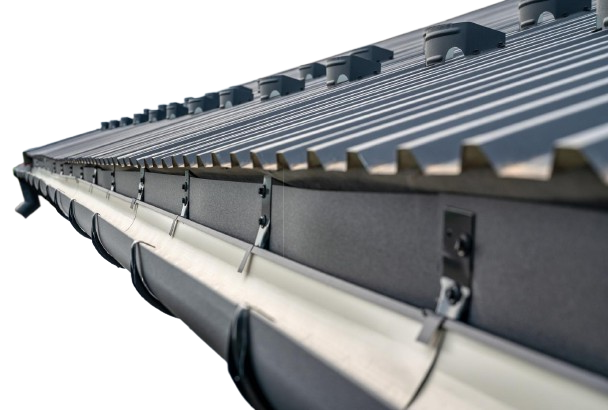
- Misconception 2: Metal roofs don't get ice dams. Truth: While metal roofs might shed snow better, they’re not immune to ice dam formation.
- Misconception 3: Gutters cause ice dams. Truth: Gutters may hold the ice, but they don’t cause the dams; it’s the heat loss from the home that’s the main culprit.
Impact on Your Home
The damage from ignoring ice dams can be significant. Water seeping into your home can lead to stained ceilings, peeling paint, and even structural rot. Not to mention, the added weight of ice can cause gutters to sag or detach from the roof.
Taking proactive steps to manage your home's insulation and roofing can save you from costly repairs and maintain the comfort and safety of your living space.
Final Thoughts
Dealing with gutter ice dams requires a mix of prevention and quick action when they appear. Understanding what causes them and how to prevent them can make a world of difference for homeowners in colder climates. Whether you're enhancing your home's insulation, improving ventilation, or learning safe removal techniques, these efforts can help keep your home safe and dry throughout the winter months.
While ice dams can be a hassle, they are manageable with the right approach. It's all about staying informed and prepared, so those winter months remain cozy and stress-free.