

Gutter overflow during intense storms can be more than just a nuisance; it can lead to significant damage to your home and property. When water spills over the sides of your gutters, it can cause erosion, basement flooding, and even structural damage. Understanding how to manage this issue is crucial for any homeowner.
Understanding Why Gutters Overflow
Before diving into solutions, it’s important to comprehend why gutters overflow during heavy rains. Several factors can contribute to this problem:
- Clogged Gutters: Leaves, twigs, and other debris can block water flow, causing it to spill over.
- Improper Gutter Slope: Gutters need a slight slope to guide water towards the downspouts. If they’re level or improperly sloped, water may not drain effectively.
- Inadequate Downspouts: Too few downspouts can lead to water pooling and overflow.
- Heavy Rainfall: Sometimes, the sheer volume of rain can overwhelm the gutters, especially if they’re not appropriately sized.
Effective Solutions for Gutter Overflow
Addressing gutter overflow requires a mix of maintenance, inspection, and sometimes upgrades. Here are some practical steps you can take:
Regular Cleaning and Maintenance
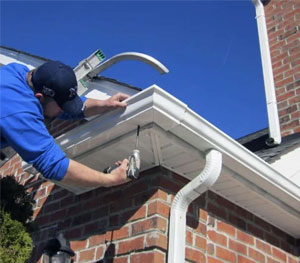
One of the simplest yet most effective ways to prevent gutter overflow is regular cleaning. Ideally, gutters should be cleaned at least twice a year, in spring and fall. This involves removing all debris and ensuring the downspouts are clear. For those who prefer not to climb ladders, hiring a professional service is a good option.
Invest in Gutter Guards
Gutter guards can be a worthwhile investment to reduce the frequency of cleaning. These guards sit on top of the gutters and prevent leaves and debris from entering while allowing water to pass through. There are various types available, such as mesh screens and reverse curve systems, and each has its pros and cons.
Inspect and Adjust the Gutter Slope
Gutter slope, or pitch, is a crucial aspect of effective water drainage. If your gutters are not sloped correctly, water will not flow to the downspouts efficiently. This is something you can check with a level. If adjustments are needed, it might be worth calling a professional, as improper adjustments can lead to other issues.
Upgrade Your Gutter System
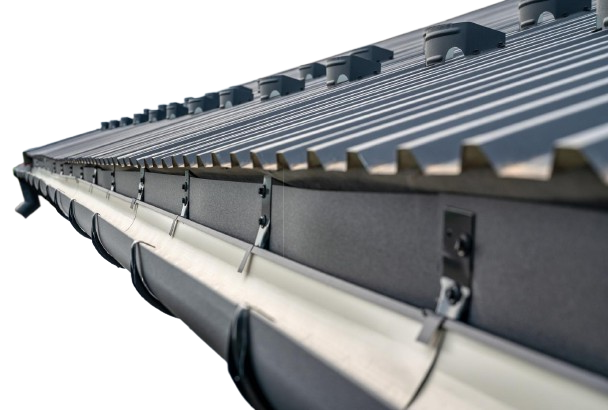
Sometimes, the existing gutter system may simply be inadequate for the volume of rain in your area. Consider upgrading to larger gutters or adding additional downspouts to increase capacity. Seamless gutters, which are less prone to leaks, might also be a good option.
Install Downspout Extensions
Downspout extensions help direct water further away from your home’s foundation, reducing the risk of basement flooding and erosion. These extensions can be flexible or rigid and are available in various lengths to suit your needs.
Understanding the Impact of Gutter Overflow
Recognizing the potential damage caused by gutter overflow emphasizes the importance of addressing it:
- Foundation Damage: Water pooling near the foundation can lead to cracks and instability over time.
- Landscape Erosion: Overflowing water can wash away soil and plants, damaging your landscaping.
- Basement Flooding: Excess water can seep into the basement, leading to water damage and mold growth.
- Roof Damage: Persistent overflow can also damage roofing materials and lead to leaks.
When to Call a Professional
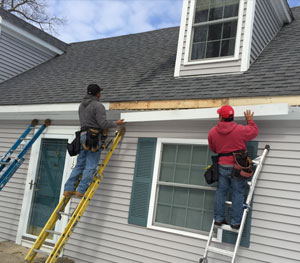
While many gutter issues can be resolved with regular maintenance and DIY solutions, there are times when it's best to call in professionals. If you notice persistent overflow despite cleaning, or if your gutters are old and showing signs of wear, it might be time for a professional assessment. Experts can recommend whether repairs or a full replacement is necessary.
Preventive Measures for the Future
Beyond addressing current issues, think about future-proofing your gutter system:
- Regular Inspections: Schedule routine inspections to catch potential problems early.
- Tree Trimming: Keep trees trimmed back from your roof to reduce the amount of debris that falls into the gutters.
- Weather Monitoring: Stay informed about upcoming storms and ensure your gutters are ready to handle the rain.
Gutter overflow during intense storms is a challenge many homeowners face, but with the right approach, it can be managed effectively. Understanding the causes and implementing practical solutions will help protect your home and landscape from water damage, ensuring peace of mind even when the weather turns severe.